The Path to Displacement: The Indian Removal Act of 1830
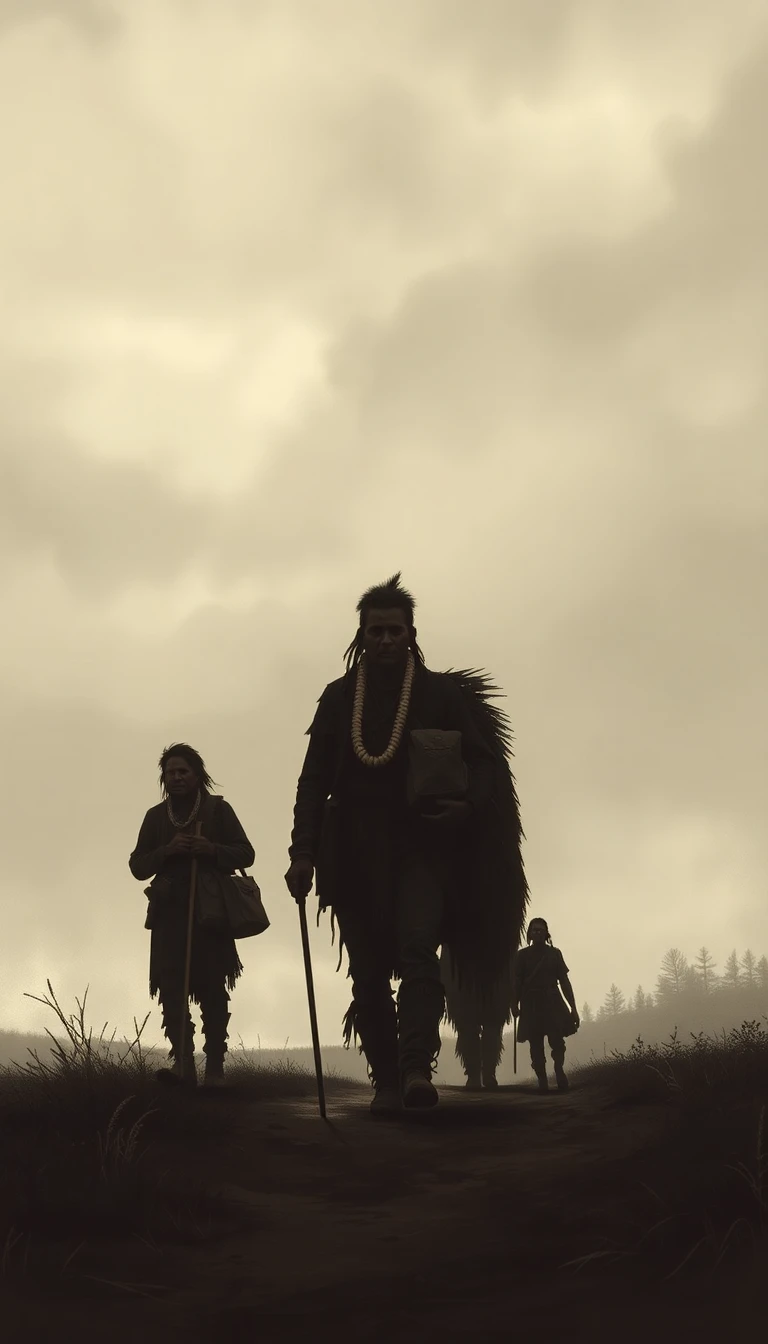
The Indian Removal Act, signed into law by President Andrew Jackson on May 28, 1830, stands as a pivotal and tragic moment in U.S. history. This legislation authorized the president to negotiate treaties to forcibly remove Native American tribes living east of the Mississippi River to lands in the west, designated as "Indian Territory" (primarily present-day Oklahoma). While proponents argued it was for the security and expansion of the United States, the Act disregarded Native sovereignty and set the stage for immense suffering and injustice.
The Trail of Tears: A Forced Exodus
The implementation of the Indian Removal Act led to the forced relocation of tens of thousands of Native Americans from the Cherokee, Muscogee (Creek), Seminole, Chickasaw, and Choctaw nations. The most infamous of these journeys became known as the "Trail of Tears." Primarily associated with the Cherokee removal in 1838-1839, these forced marches were characterized by brutal conditions, inadequate supplies, disease, starvation, and extreme weather. Thousands perished, their lives cut short by the cruelty of a policy that valued land over humanity. The Trail of Tears symbolizes not just a physical journey, but a profound emotional and cultural trauma inflicted upon entire nations.
A Timeline of Injustice
- 1830: President Andrew Jackson signs the Indian Removal Act into law, authorizing the forced displacement of Native American tribes from their ancestral southeastern lands.
- 1831-1832: The Cherokee Nation legally challenges Georgia's encroachment on their territory. In Cherokee Nation v. Georgia (1831), the Supreme Court defines tribes as "domestic dependent nations." In Worcester v. Georgia (1832), the Court upholds Cherokee sovereignty, but the ruling is defied by President Jackson and Georgia.
- 1835: The controversial Treaty of New Echota is signed by a small, unrepresentative faction of Cherokees, ceding all Cherokee lands east of the Mississippi. This treaty is vehemently opposed by the majority of the Cherokee Nation, led by Chief John Ross.
- 1838-1839: The U.S. Army forcibly removes approximately 16,000 Cherokees from their homes. An estimated 4,000 die from disease, starvation, and exposure on the brutal westward march known as the Trail of Tears. Similar forced removals impact the Choctaw, Chickas_saw, Creek, and Seminole nations throughout the 1830s.
- Ongoing Legacy: The Trail of Tears remains a potent symbol of injustice and suffering. It had devastating, long-term consequences for Native American sovereignty, culture, and populations, and its memory continues to shape Native American identity and demands a reckoning with U.S. history.
Resistance and Enduring Impact
Despite the overwhelming power of the U.S. government, Native nations did not passively accept their fate. Resistance took many forms:
- Legal Challenges: The Cherokee Nation, for example, pursued legal avenues to protect their rights and sovereignty, taking their case to the Supreme Court.
- Political Protest: Leaders like Chief John Ross tirelessly advocated for their people, petitioning Congress and appealing to the American public.
- Armed Resistance: Some groups, like factions of the Seminoles in Florida, engaged in prolonged wars to resist removal.
- Cultural Preservation: Even in the face of displacement, communities strove to maintain their languages, traditions, and social structures.
The long-term impact of the Indian Removal Act and the Trail of Tears has been profound and devastating. It led to massive loss of life, the destruction of traditional economies and ways of life, and the erosion of tribal sovereignty. The forced assimilation policies that often followed removal further compounded these traumas. Yet, it also forged an enduring spirit of resilience. Today, descendant communities continue to honor their ancestors, preserve their cultures, and fight for justice and recognition. The Trail of Tears is not just a historical event; it is a living memory that informs the present and future of Native nations.

Voices from History
"The instrument in question is not the act of our Nation; we are not parties to its covenants; it has not received the sanction of our people."
"I fought through the Civil War and have seen men shot to pieces and slaughtered by thousands, but the Cherokee removal was the cruelest work I ever knew."
Creative Reflection: The Weight of History

The Trail of Tears is more than a historical event; it is a wound in the fabric of American history, a stark reminder of the human cost of injustice and broken treaties. The forced displacement of thousands of Native Americans, the loss of life, land, and culture, echoes through generations. This project seeks not only to recount the facts but to honor the memory of those who suffered, resisted, and endured, urging us to reflect on the enduring impact of these actions and the importance of acknowledging all facets of our shared past. It is a call to remember, to learn, and to ensure that such profound disregard for human dignity is never repeated.